Charity and community programmes for iGaming operators

Bring your own cause, choose one of our programme ideas, or build one with us. Local partners do the work, AI agents handle the admin, and you follow the evidence as it comes in.

Based in Riga, Latvia. We start with pilots in Riga, and run programmes elsewhere in the EU or worldwide once we have confirmed a trusted local partner.

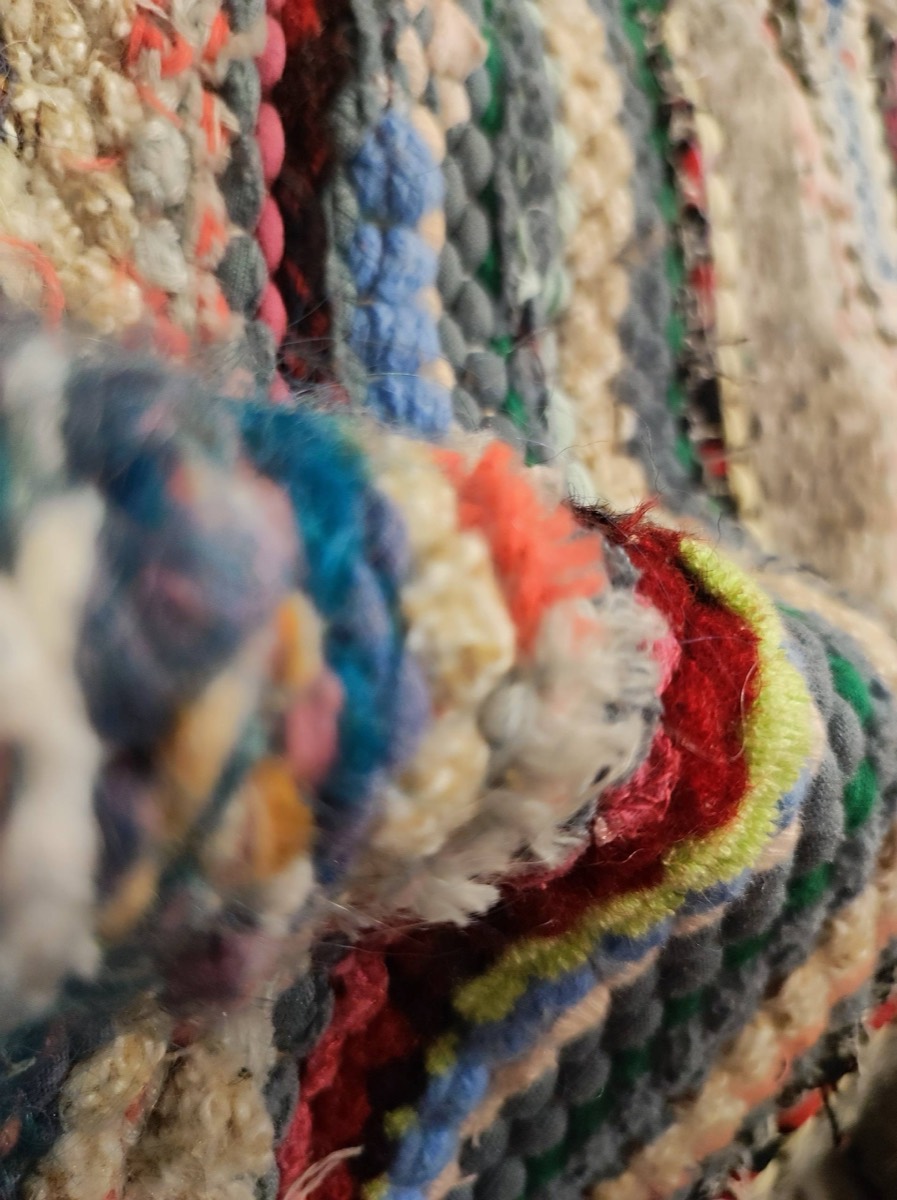
Close-up of a rug woven from strips of old clothes in red, lime, blue, coral and cream
A Stelles Stelles rug, woven by hand from old clothes in Riga.

Operators want to give back. Doing it well takes time, local partners and proof.

Expectations are rising

Malta's regulator runs a voluntary ESG Code that asks licensees to report donations and staff volunteering time; 17 operators earned its seal in the latest cycle. MGA, 2025 Some licensing laws go further: Kenya's 2025 Gambling Control Act asks applicants to declare the good causes they will fund, and report on them every year. Kenya Law

Delivery is local work

A good programme needs a real local need, a partner people trust, safeguarding and someone on the ground. Most CSR, compliance and people teams don't have those hours in every market they operate in.

Evidence is thin

Community reports often show money given and people reached. Showing what actually changed needs data that local partners often can't collect; even the largest operators say their partners' reporting capacity "varies significantly". Flutter, 2025

To be clear: in most markets, community programmes are voluntary. Where a licence asks for good causes, we can deliver and document them. Either way, they sit alongside legal duties such as levies, responsible-gambling plans and harm prevention. They never replace those duties, and they never offset gambling harm.

Why we're different

We collect the evidence while the work happens, AI agents do the admin, and people stay accountable for every decision.

Evidence while the work happens. In each pilot, scale readings, QR check-ins, receipts and reviewed photos go into a programme feed your team can follow during the work, not only in the final report. Its features and timing are agreed in the pilot proposal.

Every euro followed. We match each payment to a receipt, an activity and a result, and a person checks anything that does not fit. Files are time-stamped when they are saved and the originals are kept, so later edits can be spotted. Our fee is agreed up front, and reports show the cost per result, such as per kilogram re-used or per learner still using a new skill after 90 days.

Cameras on the work, not on people. A fixed camera can show the loom or the build site, with no sound and people blurred, and raw footage is deleted within 72 hours. Nobody has to be filmed to take part, children never are, and we use no face or emotion recognition.

Programme feed

Example
  1. Scale reading saved at the Riga workshop: 4.2 kg of old clothes received. collected
  2. 7 participants checked in by QR code. No names shared. collected
  3. Photo of the loom, time-stamped and sealed. collected
  4. Receipt for warp thread, €38.60, matched to the materials budget. matched
  5. Flag: no check-ins at partner site B for 14 days. needs a person
  6. Weekly summary drafted and approved by our coordinator. checked by a person
Illustration of what your team would see. Not live data.
Doing it yourself, or with us
TopicDoing it yourselfWith C U THERE
StartFind a charity and agree a donationAn agreed programme, budget and set of measures
CoordinationYour team coordinates partners in each countryOne accountable contact, with AI agents doing the admin
EvidenceYour team organises evidence collection and reportingEvidence collected during the work, in a feed you can follow
ResultsYour team chooses and measures the resultsSpending, outputs and outcomes reported separately, with cost per result
Gambling rulesYour compliance team checks each caseWe design the programme around the applicable rules; your compliance team reviews each case
Next timeYour team manages partner continuity and improvementsA method that improves with each pilot
AI agents in a programme, and the people who check them
AgentWhat it doesWhat a person decides
Programme coordinatorDrafts schedules, chases missing records, flags missed milestonesPartners, budgets and any change of plan
Spending checkerReads receipts and matches them to payments and budget linesEvery payment, and what to do about any mismatch
Evidence stewardLinks photos, check-ins and scale readings to each session; spots duplicates and gapsWhat actually happened when records disagree
Outcome analystSummarises surveys and follow-ups; flags claims the data can't supportMethods and the conclusions in your report
Privacy reviewerSpots identifying details and prepares blurring or redactionWhat may be shared, and with whom

When an agent writes to someone, it says it is an AI working for C U THERE. What exists today: AI agents already run much of our own day-to-day work. For the first operator pilots we are setting up the evidence tools: check-ins, scale logs, receipt matching, the programme feed, and cameras where they help. Before any filming starts, we complete a data-protection impact assessment.

Three ways to start

Bring your cause

You already know what matters to you, from helping children to backing new technology. We check the local need, find the right partner and run it.

Choose one of our ideas

Pick a programme from the ideas below. We adapt it to your markets, your budget and the people you want to reach.

Build it with us

Not sure yet? We run a short workshop with your CSR, compliance and staff teams and shape a programme around your people and the places you operate.

How a programme runs

You deal with one contact from the first call to the final report. We handle the partners and the paperwork.

  1. Scope

    We agree the cause, place, budget, timeline and what will be measured, and how your support may be acknowledged under each market's rules.

  2. Deliver

    We select and contract local partners, organise the work and collect evidence as it happens: attendance, kilograms, hours, photos, partner sign-off.

  3. Report

    You get a clear report: money in, what it paid for, what changed, what didn't work, and the data mapped to the frameworks you use.

  4. Review and renew

    We go through the results with you and decide together: continue, grow to new places, or change course.

Programme ideas

Use them as they are, combine them, or change them. Each programme is scoped with you and delivered by vetted local partners, in the EU first and elsewhere where we have a partner we trust.

Circular textiles

Europeans throw away about 16 kg of textiles per person a year, and only about 4.6 kg of that is collected separately. EEA, 2022 data

Since 1 January 2025 every EU country must collect textiles separately. The 2025 revision of the EU waste law gives social-economy organisations a protected role in the textile schemes due by April 2028. Directive (EU) 2025/1892

More about circular textiles

  • Rugs from old clothes

    Workshops where people cut old clothes into strips and weave rugs on traditional looms. This is our first project, in Riga.

    We measure kg of textiles woven in, participants who complete, repeat visits

    Riga now, method travels
  • Repair and swap days

    Pop-up days where people mend, swap and rehome clothes instead of throwing them away.

    We measure items repaired, items rehomed, kg kept in use

    Worldwide
  • Textile collection with social enterprises

    Back a local social enterprise that collects, sorts and re-uses textiles as EU collection rules take hold.

    We measure kg collected, share re-used, share recycled

    EU
Food rescue and community kitchens

In 2024 the EU wasted about 129 kg of food per person, and more than half of it in households. Eurostat, 2024 data

The same 2025 EU waste law requires EU countries to cut food waste by 2030, compared with the 2021–2023 average: by 10% in processing and manufacturing, and by 30% per person across shops, restaurants and households combined. Directive (EU) 2025/1892

We work only with partners that follow food-safety rules for donated food.

More about food rescue and community kitchens

  • Food rescue

    Collect good surplus food from shops, bakeries and producers and bring it to food banks and community kitchens the same day.

    We measure kg of food rescued, meals served, households reached

    Worldwide
  • Community kitchen days

    Cook and share meals with seniors, families and neighbours, with your staff in the kitchen too.

    We measure meals cooked, people at the table, repeat visits

    Worldwide

Work and the AI transition

Only 60% of adults in the EU have at least basic digital skills, against a 2030 target of 80%. In Latvia it is 48%, and 27% among people aged 55–74. Eurostat, 2025

As AI changes jobs, 59 of every 100 workers worldwide will need training by 2030. World Economic Forum, 2025

More about AI and digital skills

  • Practical AI skills for adults

    Short, hands-on courses on using AI tools safely at work and at home, for people whose jobs are changing.

    We measure learners by age group, skills tested before and after, use after 90 days

    Worldwide
  • Devices and digital coaching

    Refurbished laptops or phones plus one-to-one coaching for people who have been left behind online.

    We measure devices still in use after 90 days, tasks done independently

    Worldwide
  • Tech for community organisations

    Set up useful digital tools for local NGOs and train their people, so the help lasts after we leave.

    We measure tools in use, staff trained, hours saved

    Worldwide

Community building and workspaces

In Latvia, 43% of people aged 65 and over are at risk of poverty or social exclusion, more than double the EU average of 19%. Eurostat, 2025

1 in 6 people worldwide is affected by loneliness, which is linked to about 871,000 deaths a year. WHO, 2025

More about community building and workspaces

  • Community workspaces in different countries

    Fund desks, internet and learning in partner venues, with free places for job-seekers, students and social enterprises.

    We measure desk-days used, people using free places, jobs or businesses started

    Worldwide
  • 50+ makers' circles

    Regular craft and social sessions such as weaving, mending and tea, shaped by the people who come.

    We measure participants, how many keep coming, change in how connected people feel

    Worldwide
  • Neighbourhood connectors

    Help residents start and keep up shared activities in their own area.

    We measure repeat participation, resident-led events, volunteers who stay

    Worldwide

Bees, honey and nature

About 1 in 10 of Europe's wild bee species is threatened with extinction. IUCN Red List, 2025

4 out of 5 crop and wildflower species in the EU depend on animal pollination. European Commission

We measure habitat and wild pollinators, not just hives and honey. Too many managed hives can crowd out wild bees.

More about bees, honey and nature

  • Pollinator habitats

    Plant and look after native flowering spaces with residents, local groups or your own staff.

    We measure m² planted and maintained, native species planted, wild-pollinator counts

    Worldwide
  • Beekeeping with local beekeepers

    Support local beekeepers with training and equipment. The honey is their product and their income.

    We measure people trained, colonies that survive the winter, habitat added nearby

    Worldwide

Children and families

Almost 1 in 4 children in the EU (24.3%) is at risk of poverty or social exclusion. Eurostat, 2025

Delivered only through specialist child-welfare partners, with safeguarding in place, no operator branding and no gambling content anywhere near children.

More about children and families

  • Learning support

    Tutoring, after-school clubs or learning materials, run by an established children's organisation.

    We measure attendance, completion, learning progress

    Worldwide
  • Family essentials

    Meet needs that local charities identify, such as school kits, winter clothing or food.

    We measure households supported, needs met, follow-up with families

    Worldwide

Your own cause

Health, culture, animal welfare, local emergencies, or something only your team cares about.

  • Designed around your idea

    If there is a real need and a capable local partner, we will scope it with you, using the same delivery steps and the same kind of report.

    We measure what we agree with you up front, with a baseline

    EU and worldwide

Team days

Any programme can include volunteering days for your staff: weaving, repairing, planting or mentoring alongside the people the programme serves. Staff come in their own clothes, and nothing is promoted.

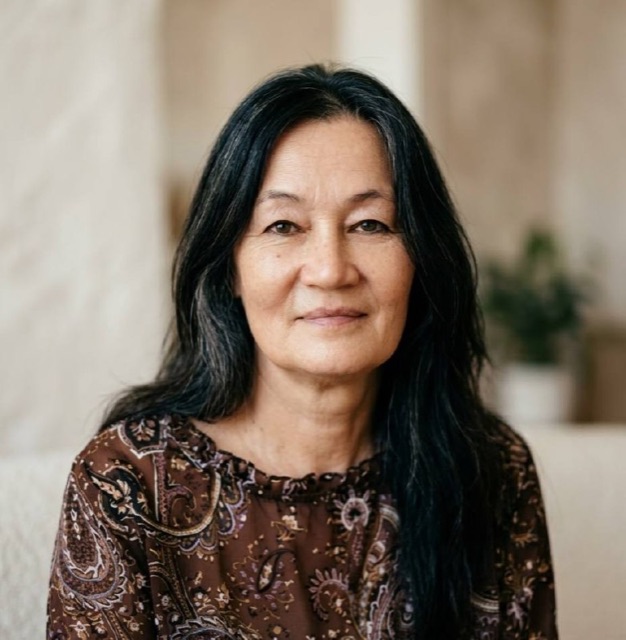
Portrait of our mom, the weaver behind Stelles Stelles
Our mom, the weaver behind Stelles Stelles.

Who we are

C U THERE is a mother-daughter team from Riga. Our mom has spent her life helping people, and she found her calm in weaving rugs from old clothes. That became Stelles Stelles, our first project: a weaving workshop and second-hand corner where people 50+ are especially welcome.

At an iGaming conference we heard the same thing from operator after operator: they want to give back properly, but they don't have the time or the local reach. So we are turning what we learned in the workshop into a service for operators: we find the partners, run the work and measure it.

Where we are, October 2026: Stelles Stelles is under way in Riga. We are now looking for one or two operators to co-design pilot programmes for 2027.

Built for a regulated industry

Gambling brands are closely watched, and in several markets the law limits how they may appear next to a community cause. We plan for that from day one.

  • No gambling promotion

    Programmes never advertise games, odds or bonuses, and we never pass participants' data to operators for marketing.

  • Children are protected

    Children's programmes run only through specialist partners with safeguarding in place. They never carry operator branding, and children's data never goes into our AI tools.

  • Recognition that fits the law

    Latvia, Italy, Spain, the Netherlands and Belgium all restrict or ban gambling brands on community projects. We agree how your support is acknowledged market by market, usually in your sustainability report and business channels rather than ads. Your compliance team has the final say.

  • Independent partners

    Local partners decide how best to serve their community. You get the full evidence, but you don't steer the charity.

  • Open books

    Every proposal shows the programme money separately from our management and measurement fee.

  • Alongside your legal obligations

    Community programmes don't replace levies, responsible-gambling duties or harm prevention, and they don't offset gambling harm.

What your report contains

One report per programme period, in plain language for your board and team, with the data your ESG people need.

We keep outputs and outcomes apart. Kilograms, hours and people reached show what happened; changes in skills, income or connection show what improved. We say how each number was measured, and what we can't claim.

Where it helps your reporting, we map the data to B4SI, GRI 413, the EU's voluntary SME standard (VSME), ESRS S3 if you are in scope, the community topic of the MGA ESG Code, and UN SDG targets.

Programme report

Sample outline, not client data

Summary
What we did, where, with whom, and for how long
Money
Funding received, what it paid for, cost per result, our fee shown separately
Activity
Sessions, participants, kilograms, hours: the outputs
Change
What improved, how we measured it, against which baseline
Evidence
Attendance logs, scale records, photos, partner sign-off
Limits
What didn't work and what the data can't prove
Next
Our recommendation: continue, grow or change
Frameworks
B4SI, GRI 413, VSME, ESRS S3, MGA ESG Code, UN SDGs

How we work together

Each proposal separates the money that goes into the programme from our programme-management and measurement fee. The fee is agreed before work starts and changes only with your written approval.

Pilot
One programme, one place, a few months. The quickest way to see if it works for you.
Ongoing programme
A yearly programme in one or more countries, with a report each period.
Team days
Volunteering days and workshops for your staff, as part of a programme.

Operators already invest here

Flutter reported $26m donated to more than 1,000 causes in 2025. Flutter, 2025 FDJ United plans to raise its social and environmental contribution to 5% of net income by 2030. FDJ United, 2025

We help that money reach the right places and show what it achieved, especially for operators without their own foundation or a team on the ground.

How we grow

  1. Run pilots as a service, starting in Riga.
  2. Turn every pilot into a repeatable playbook: briefs, partner checks, measurement templates.
  3. Build a network of vetted local partners across the EU.
  4. Add software so operators can commission and follow programmes in one place.

Questions operators ask

Can we bring our own cause?

Yes. Tell us what you want to support and where. We check the local need, find a capable partner and propose a programme.

Where can programmes run?

We start with pilots in Riga. Elsewhere in the EU, and worldwide, we run a programme once we have confirmed a trusted local partner there.

Can our brand appear on the programme?

It depends on the market. Several countries, including Latvia, Italy, Spain, the Netherlands and Belgium, restrict or ban gambling brands on community projects. We agree how your support is acknowledged market by market, and your compliance team signs it off.

Can we support children?

Yes, but only through specialist child-welfare partners with safeguarding in place, and with no operator branding or gambling content.

Does a programme cover our legal obligations?

No. In most markets community programmes are voluntary, and they sit alongside obligations such as levies and responsible-gambling duties. Where a licence asks for good causes, we can deliver and document them, but your advisers decide what applies to you.

What evidence will we receive?

Spending records, activity data, outcome measures with the method used, photos and partner sign-off, plus what did not work. Where relevant, the data is mapped to frameworks such as B4SI, GRI 413, VSME or the MGA ESG Code.

Can our employees take part?

Yes. Any programme can include team days such as weaving, repairing, planting or mentoring, without branded clothing or promotion.

What do your AI agents actually do?

Today they run much of our own admin. In a programme they organise evidence, match receipts to payments and activities, flag gaps and draft reports. People approve every payment, investigate problems and sign off every report. When an agent writes to someone, it says it is an AI working for C U THERE.

Do you film participants?

No one has to be filmed to take part. We film the work, not the people: looms, materials, building works. Any recording of adults is optional, with a clear purpose and their permission. Children are never filmed, and we use no face or emotion recognition. Raw footage is deleted within 72 hours; we keep only reviewed clips of the work, shared only with your team.

How do you keep costs low?

AI agents do much of the admin that usually needs extra staff. Our fee is agreed before the programme starts and shown separately, and reports show the cost per result, so you can compare.

How much does it cost?

Pilots are scoped to your budget. Every proposal shows the programme money and our management and measurement fee separately.

How do we start?

Email us your cause or the ideas you like, the countries you operate in, your timing and a rough budget. We reply with a pilot outline.

Start with a pilot

Tell us your cause, or ask for ideas. Add the countries you operate in, your timing and a rough budget, and we will reply with a pilot outline.

C U THERE, Riga, Latvia. We reply in English or Latvian.